
Why Planning Lifting Operations Keeps Projects on Track
Construction projects are under pressure. So why leave lifting operations, one of the most important parts of the job, to chance?
The latest Glenigan Index shows that the value of construction work starting on site in the three months to the end of August 2026 was 20% lower than the same period last year. Project starts also fell by 2% compared with the preceding three months.
In a market where budgets, resources and programmes are already being carefully managed, unexpected delays can have a significant knock-on effect.
And that’s where lift planning comes in.
A crane might only be on site for a few hours, but the decisions behind that lift can affect the wider project. The right equipment, access arrangements, timing and preparation all need to work together if the lift is going to happen efficiently.
Good lift planning makes the lift fit the wider project, as well as getting the load from A to B.
JT Cranes is a family firm established in 1981 at Great Gransden, on the Bedfordshire and Cambridgeshire border. It offers mini crane hire and contract lifting across the UK, with every contract lift planned by an appointed person to BS 7121 Part 3 and LOLER 1998.
A lift is rarely as simple as it looks
On paper, a lifting job can seem fairly straightforward: move something from A to B.
In reality, there are usually plenty of questions that need answering first.
What is the actual weight of the load? Where will the crane be positioned? How far does the load need to reach? What is underneath the crane? Is there enough room for the machine and its outriggers? Are there buildings, overhead services or other obstacles to consider?
Then there are the practicalities of the project itself. When can the lift take place? Will other trades be working nearby? Does the delivery need to happen at a particular time? Is the lifting area accessible to the equipment required?
Access isn’t the only consideration. Overhead obstructions, restricted working areas, ground conditions, proximity to other trades and the location of the load can all influence how a lift needs to be carried out.
There can also be environmental considerations. Indoor lifting, for example, means thinking about ventilation and emissions as well as physical access. A diesel-powered crane may not be appropriate in an enclosed space, which is where battery-powered equipment can offer a practical alternative. JT Cranes has battery-powered mini cranes available for projects where low-emission indoor lifting is required.
These are the kinds of details that need to be considered before the crane arrives, rather than discovered once it’s on site.
Good lift planning brings all of these considerations together before they become problems.
The right crane has to fit the site
A crane that can lift the weight is only the starting point. The crane also needs to suit the environment.
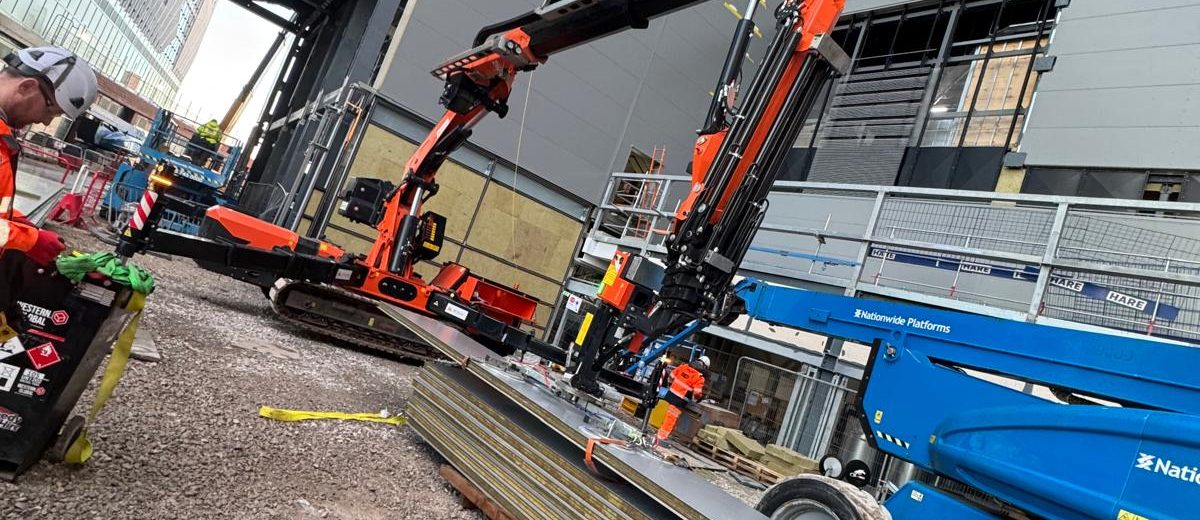
This is particularly important when working in confined spaces, inside buildings or on sites with restricted access. A large mobile crane might have plenty of lifting capacity, but if it can’t physically get into position, it’s the wrong crane.
That’s where mini cranes earn their place. JT Cranes’ mini crane hire service includes a range of compact machines with different lifting capacities, reaches and dimensions, allowing the equipment to be matched to the job rather than trying to make the job fit the equipment.
And it’s not always obvious which machine will work best. JT Cranes can provide technical support and, where required, arrange a site visit to help assess the lifting task.
The earlier the crane specialist is involved, the more opportunity there is to weigh up the options.
Planning can prevent costly delays
A lifting operation rarely happens in isolation.
If a lift is delayed, it can hold up installers, contractors, deliveries and other trades further down the programme. In some cases, a crane and crew may already be booked, meaning a failed or postponed lift can have financial consequences as well.
This is why finding the problems before the day of the lift is so important.
For example, discovering that the crane cannot access the required position once it is already on site is considerably more disruptive than identifying the issue during the planning stage. The same applies to unsuitable ground conditions, insufficient working space or a lifting accessory that hasn’t been considered.
A little time spent planning at the beginning can save considerably more time later.
Who is responsible for planning the lift?
The level of responsibility will depend on the type of crane hire or lifting arrangement being used.
With straightforward mini crane hire, a suitably experienced customer may manage the lifting operation themselves. JT Cranes can provide the equipment, technical support and, where required, an experienced operator.
For more complex operations, contract lifting can provide a different level of support.
JT Cranes’ Contract Lifting service takes responsibility for the lifting operation, including planning the lift, selecting the appropriate crane, preparing the necessary risk assessment and method statement, and providing an Appointed Person. JT Cranes carries out contract lifting work to BS 7121 and LOLER requirements.
The choice between crane hire and contract lifting comes down to who has the experience, and who carries the responsibility, for planning and managing the lifting operation. JT Cranes explains the difference between crane hire and contract lifting in a separate post.
Good planning keeps the wider project moving
This is perhaps the most important point.
A well-planned lift makes the lifting operation easier, and it helps the whole project run more smoothly.
When the crane, delivery, lifting team and site crew are all working to an agreed plan, everyone knows what is happening and when. Other trades can plan around the lift rather than being left waiting for it. Materials can arrive when they’re needed. Access can be prepared in advance. Problems can be dealt with before they become expensive delays.
In a busy construction environment, that coordination matters.
The crane may only be one small part of the overall project, but if the lift is critical to getting equipment, materials or structural elements into position, its timing can have a much bigger knock-on effect.
Get the lifting team involved early
One of the biggest mistakes a project can make is leaving the lifting requirements until the last minute.
Bringing a crane specialist into the conversation early gives you the opportunity to discuss what’s possible, consider different equipment options and spot the problems while there is still time to do something about them.
That’s something JT Cranes has been doing since 1981. The family-run business specialises in mini crane hire, contract lifting and crane services, with a team that combines technical knowledge with practical experience. You can find out more about JT Cranes on our About us page, or read the story of our first 45 years.
Planning a lifting project?
Whether you already know which crane you need or you’re not sure where to start, it’s worth having a conversation before the project gets underway.
Talk to JT Cranes on 01767 677155 or contact the team to discuss your lifting requirements.
Good lifting is decided before the day. The right planning keeps the whole project moving.