
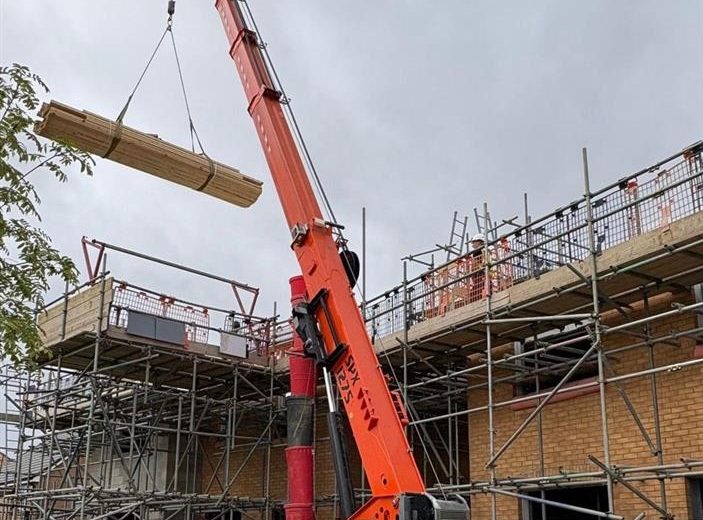
The Most Common Lifting Challenges on UK Construction Sites and How Mini Cranes Help Solve Them
Did you know? According to the Construction Industry Training Board, over 30% of construction site accidents are linked to manual handling and lifting mishaps, a figure that highlights how critical safe, efficient lifting really is on modern sites. ¹
When space is tight, access is restricted, or traditional lifting equipment simply won’t fit, the right approach isn’t just a matter of convenience; it’s a matter of safety, timing, and project success.
At JT Cranes, we’ve seen first‑hand how operational constraints on UK construction sites can slow progress and raise costs. That’s where mini cranes – compact, agile, and surprisingly powerful – transform challenges into practical solutions.
Why Lifting Isn’t Always Straightforward on UK Sites
Construction zones across the UK come with a unique mix of constraints:
Tight Urban Access
In city redevelopments, access ways can be narrow alleyways or shared walkways. Standard cranes often can’t be positioned close enough to the workface without closing streets or installing costly traffic management.
Mini cranes solve this by operating in spaces that would otherwise be inaccessible. Thanks to their compact footprint and remote-control operation, they can be wheeled into place with minimal disruption and start lifting where larger machines simply can’t reach.
Limited On‑Site Space
Many UK projects, from refurbishment work in historic buildings to interior fit‑outs, happen in confined areas where space is at a premium.
Rather than having to dismantle existing structures or create temporary openings, a mini crane can be deployed within the build footprint, preserving both space and structural integrity.
Operational Constraints
Beyond access and space, there’s the challenge of logistics: getting equipment mobilised quickly, lifting heavy panels, glass, steel, HVAC units or bespoke architectural components without over‑engineering the solution.
Traditional lifting gear might require extensive rigging or multiple personnel. Mini cranes streamline this, often requiring just one trained operator and reducing the need for additional resources.
Mini Cranes: Practical Power in a Compact Package
So, what makes mini cranes such a reliable answer to these site challenges?
Rather than thinking in terms of statistics, consider the practical experience:
- They can be transported easily between floors or site zones, sometimes via passenger lifts, stairs, or into basements without disruption to surrounding works.
- Their remote-control systems mean operators can position loads with precision, even where visibility and manoeuvrability are limited.
- They typically have low ground pressure, meaning they place less strain on delicate flooring, a big advantage in refurb projects or heritage settings.
These aren’t just theoretical benefits – they directly tackle recurring issues we see on UK sites day in and day out.
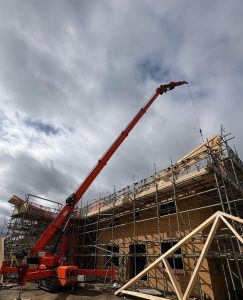
Real‑World Benefits for Your Next Project
When you bring a mini crane onto site, you’re not just hiring equipment – you’re unlocking solutions to persistent construction headaches:
- Fewer site constraints become blockers
- Safer handling of awkward and heavy materials
- Greater adaptability to changing site conditions
Which, in turn, can lead to tighter timelines, lower handling costs, and fewer disruptions to adjacent trades.
If you want a deeper dive into the types of mini crane solutions available, check out our Mini Cranes for hire. For specific lifting equipment and services, our Mini Crane Hire page has up‑to‑date options that match the size and complexity of your project.
Overcoming the Tough Stuff Starts with the Right Team
At JT Cranes, we bring more than machines — we bring experience, insight, and tailored support that helps you navigate the toughest lifting challenges your site can throw at you.
Ready to find out how a mini crane could transform your next build or industrial project? Contact the JT Cranes team to discuss your requirements and get practical expert advice, not theoretical.
¹ Construction Industry Training Board (CITB), Health and Safety in Construction Statistics